Archive No. 11
2026 Senior Photo Exhibition
Archive No. 11 presents the work of eleven emerging photographers. From traditional film techniques, to contemporary digital media, the exhibition functions as an archive of the students’ personal history and individual interests.
Showcased: March 27th - April 10th
Opening Reception: March 27th, 6 - 8 pm
St. Edward’s University, Fine Arts Building: 3001 S. Congress Ave, Austin, TX 78704
1
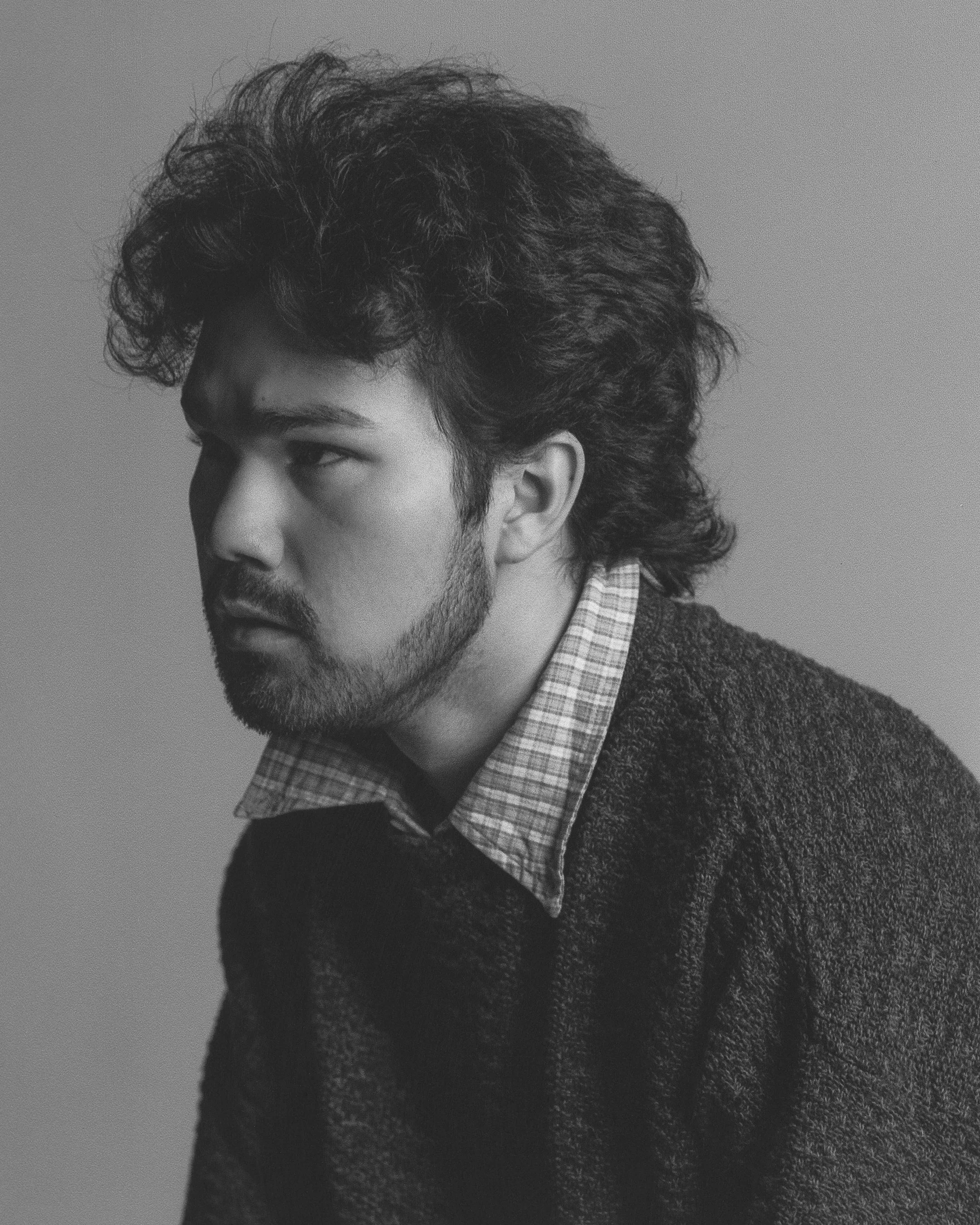
Daniel Mendoza
Photography & Media Arts and Catholic Studies
As a multidisciplinary photographer, I aim to create an immersive experience, formulating my images (often through book-binding) with the same intentionality as a film director. My goal for every series is to transport viewers into a fantasy filled with lore, avant-garde wardrobe, and melodramatic visuals.
Bells of Lament is a cinematic series inspired by the legal complexity of custody disputes. It offers an internal critique of how we utilize faith, exploring the vows we make and break in secret through a contemporary retelling of the story of Virgin Mary and Joseph. Through this lens, I developed a fascination with the parallels between custody disputes and Judgment Day. Ultimately, Bells of Lament is a haunting tale that weaves together fashion, book binding, and visual storytelling to pioneer a path towards theological fashion photography.
The installation curates a space centered on tactile pieces that move beyond printed photographs. Within an enclosed space, silk photographic prints drape over wooden frames, while black-and-white prints are mounted on distressed metal sheets. At the heart of the installation sits a screw-post, hand-bound book that unfolds the story of Bells of Lament. Accompanied by a custom gown designed by Don Nicó and an original soundtrack, the work invites viewers to fully immerse themselves in a story born of conflict, grief, and spiritual tribulation.
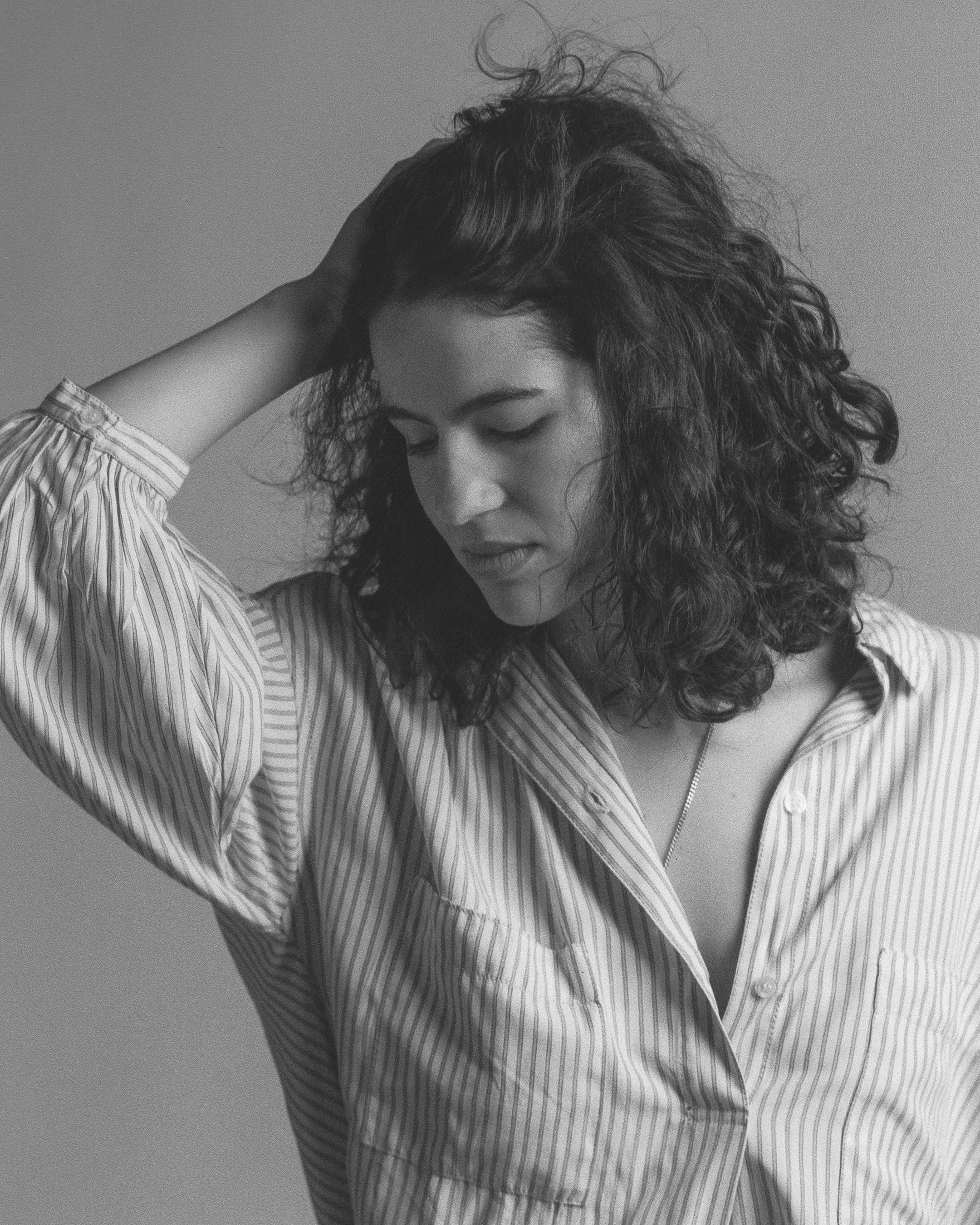
Sofia Palacios Pereda
Photography & Media Arts and Communication & Public Relations
My discipline is rooted in post-documentary photography and centers on humanitarian causes, focusing on human resilience and how history is constructed and remembered. In my work, I explore themes of displacement and identity, while examining the systems and power structures that shape how these experiences are preserved.
Desarraigo (2025–ongoing) explores the displacement of Venezuelans and the lasting impact migration has on identity, collective memory, and belonging. Utilizing analog and alternative photographic processes, the project portrays migration as a fragmented condition shaped by inherited narratives and the complexities of living in displacement. The work considers how memory is carried when the homeland becomes something remembered rather than physically inhabited.
Alternative processes are central to this project. I use the chlorophyll printing process, a method that transforms organic materials such as leaves into both the physical vehicle for the image and a metaphor for the ephemeral nature of migration. The material evokes impermanence and the fragility of memory, mirroring how stories are passed down across generations. These photographs function as traces rather than fixed, complete records. Presented as a handmade book, the work becomes an intimate object that invites slow engagement and serves as a living archive for the displaced, transforming the fleeting nature of migration into a permanent testament of our identity.
2
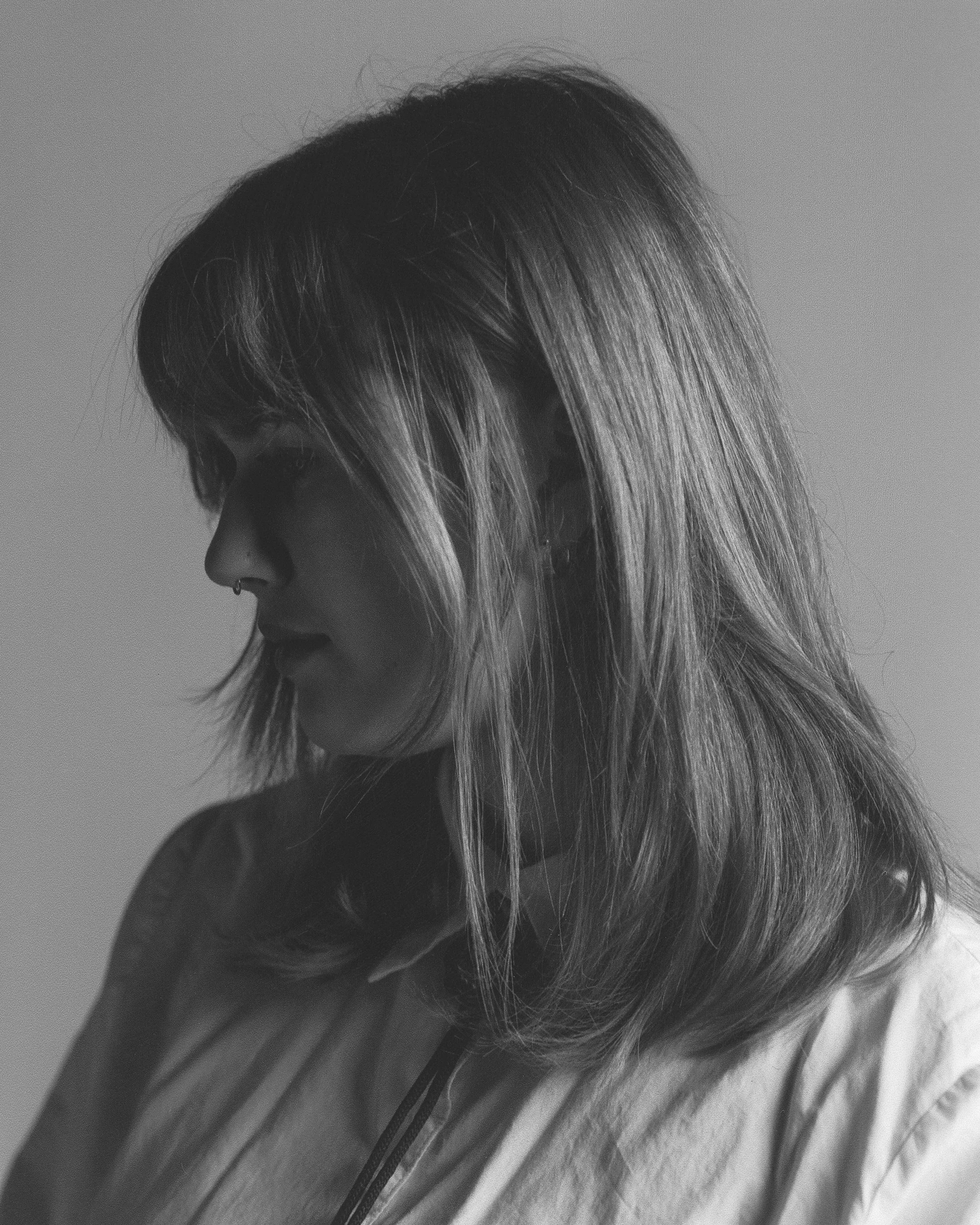
Natalie Franks
Photography & Media Arts
My artistic practice is rooted in photography including analog practices, experimental alternative processes, and handmade books. My work grapples with the ephemeral nature of existence—trying to capture something lost. My subjects are the ghosts of memory: lost family members, the gradual decay of recollection, and fleeting emotions. I give visual form to the abstract concept of loss itself. This is achieved through a technical process of layering, abstraction, and distortion. The photograph becomes a metaphor for fragmentation and emotional distance.
My senior thesis project, Patchwork, is an extension on this theme, realized through the construction of a quilt composed entirely of individually toned cyanotype photographs. This work serves as a reflection on the remnants of my early life and the legacy of loved ones who are no longer present. I call upon forgotten memories and attempt to bring them forward, but they are inherently flawed. It is blurry, disjointed, and fragmented, a true mirror of the unreliable nature of human memory. By blending photographs sourced from my past with new images taken in the present, I am actively refabricating my early life for the viewer. The quilt becomes a metaphor for the reconstructive, healing work of mourning and remembering.
The choice of the cyanotype process for Patchwork is central to its thematic and personal meaning. Cyanotype can yield unpredictable results, and no two prints are exactly alike. This has allowed me to practice detachment with my work. This lack of absolute control has been instrumental in fostering a critical shift in my relationship with my own creative output. Embracing the unpredictability of cyanotype has allowed me to move away from a tendency toward strict, obsessive perfectionism that had previously constrained my work. This technical liberation has led to a profound personal reconnection: it has enabled me to tap into my playful, experimental inner child. By letting go of the need for absolute control over the final image, I have opened a space for serendipity, allowing the subject matter—loss and memory—to be expressed through the very imperfections and unique variations of the printing process itself.
3
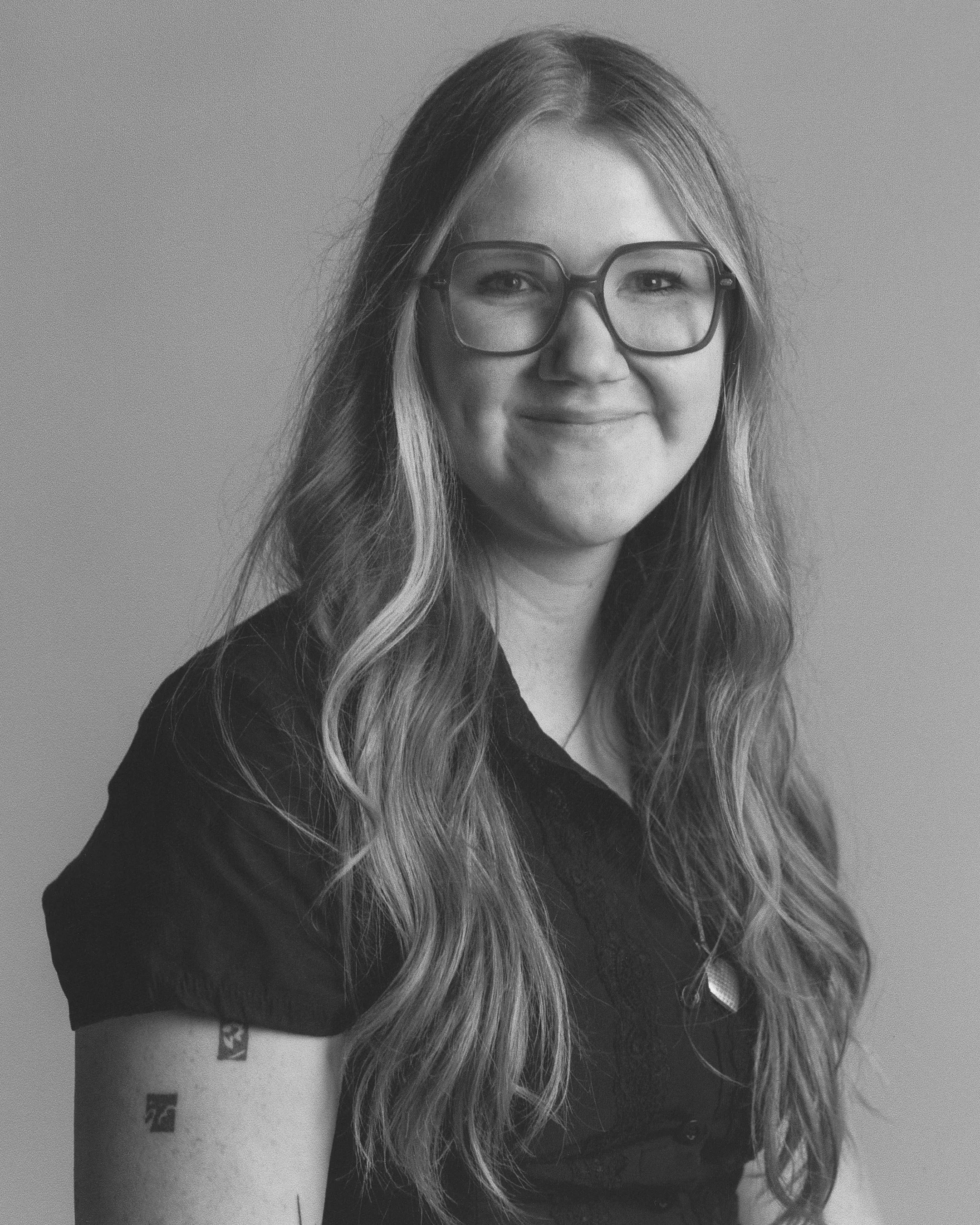
Caton Puckett
Photography & Media Arts
I am a concert photographer who captures moments that are loud and full of energy. My senior project focuses on the Austin music scene and the artists who shape it, the result is a designed book that combines photography, interviews, typography, and collages.
After years of photographing shows and working closely with musicians, I’ve become aware of how temporary live music really is. Sets end, bands evolve, venues close, and scenes shift. This project serves as an archive of a specific time, place, and creative community. Rather than centering one artist or genre, I focus on a group of musicians, emphasizing connection and shared culture over individual spotlight.
Although my foundation is in concert photography, my role in this project moves into design, editing, and storytelling. I am working primarily with images I have already created, alongside written interviews and memorabilia from artists. My process involves laying out spreads, thinking about pacing, and building a visual rhythm that reflects the feeling of a live show. These are layered, energetic, and slightly chaotic, but still intentional. I also create physical collages that I display with the book so you get an even deeper look into the scene. This approach reflects the DIY spirit that defines much of the local music scene.
The book lets people slow down and really sit with the work. It’s something you can physically hold, flip through, and move around in, which makes the experience more personal. It creates space for both the energy of live shows and the more personal sides of musicians as they talk about their experiences, struggles, and why they make music. Pairing photos with interviews shows artists not just as performers on stage, but as real people shaped by their stories, influences, and the communities around them.
Ultimately, this project is about documentation, design, and care. It honors the artists I’ve worked with and the scene that shaped me as both a photographer and creative. Through this book, I’m preserving something temporary and giving it a more lasting, tangible form.
4
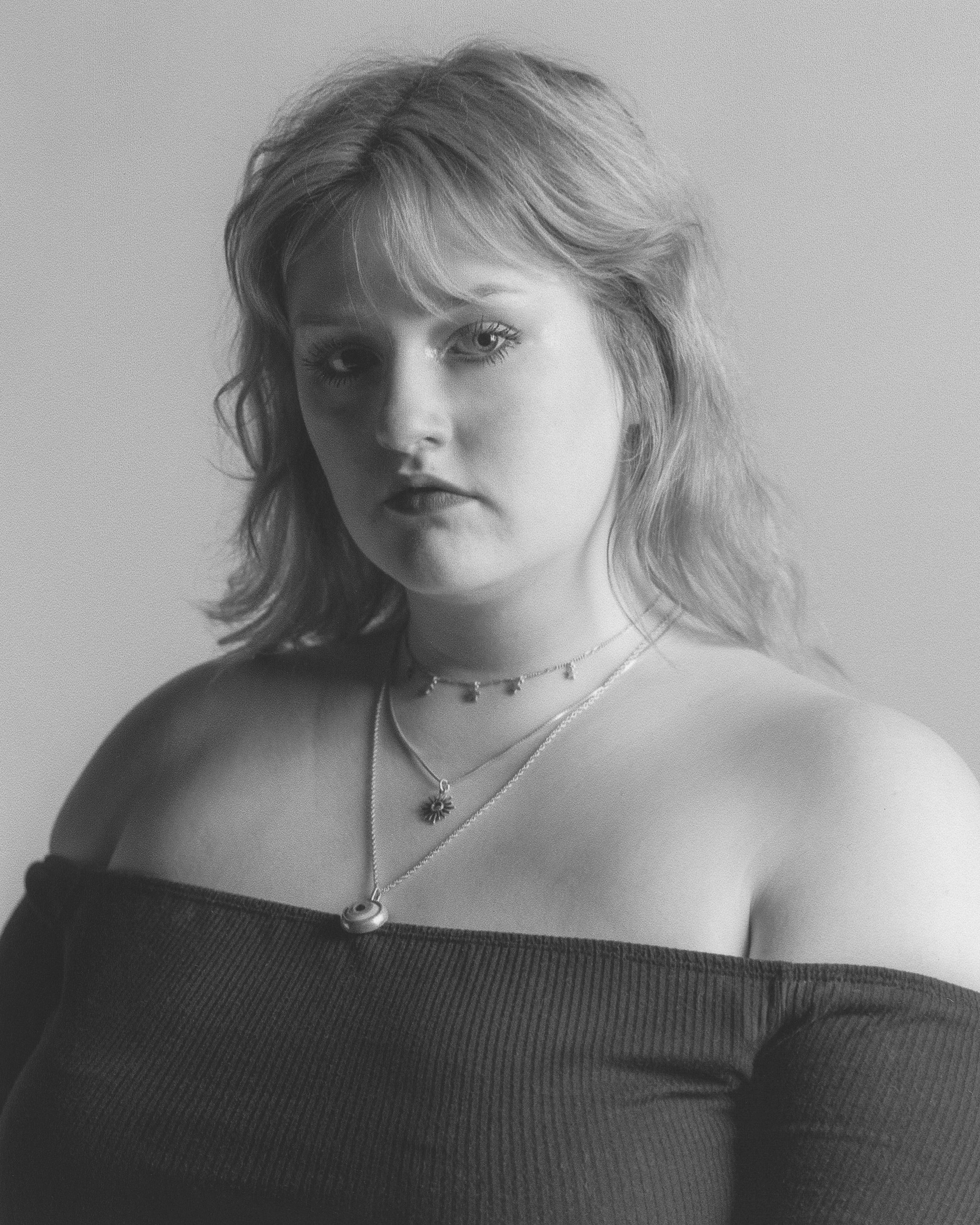
Margaret Phelps
Photography & Media Arts
As a photographer I find myself straddling the line between fine art and post-documentary photography. Working with a mix of analog and digital processes, I draw inspiration from vintage Americana. I’m heavily influenced by mid-century American film photographers and documenting a personal view of “home”. To me, home looks like run down farms and unkept stretches along Texan highways. I aim to capture the quiet horror of time along with the bittersweet beauty of decay.
My latest body of work, a collection of photo books under the name Southern Hostility, explores Texas through the lens of discarded memories- whether that be things or places. Originally I started this series as an outlet to process the developments I saw in my hometown while I was away at college. The first installment focuses on my struggles with accepting change and overcoming perfectionism while experimenting with multimedia photography and hand sewn book making. My senior thesis project and second installment to Southern Hostility, God’s Country, further explores the struggle to come to terms with change while providing examinations from the open road in my home state. Through exploring rundown stops along the highways and backroads, I return to locations I visited as a child on family road trips as well as the rural places I started to document in my teen years.
5
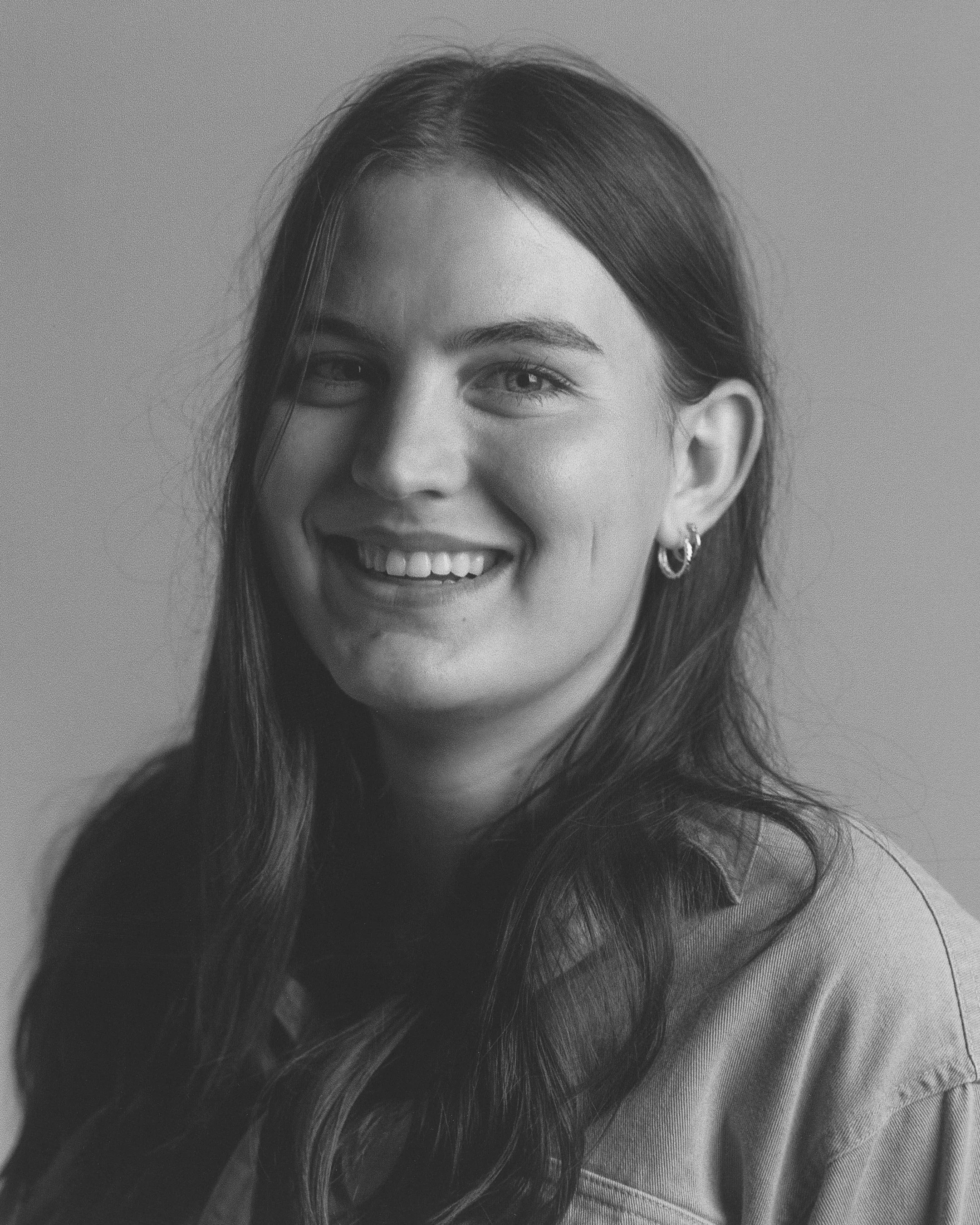
Karlee Friebele
Photography & Media Arts
I make work in portrait photography as a way to preserve the emotional connections between people. In each portrait, I investigate my subject's relationship to myself. My goal is to present my work as a metaphor that connects the processes of printmaking and paper with the ways people are shaped by layers of experience and memory.
My body of work, Becoming, features six black-and-white prints of individuals I refer to as “my people,” displayed alongside the photopolymer plates used to create them. My project is deeply rooted in the idea that identity is never formed alone. The phrase that guides this series is “I am because you were,” inspired by the philosophy of Ubuntu, a concept rooted in many African cultures that understands identity as something shaped collectively—through family, memory, and the people who come before us. Each photograph is translated into an intaglio print, with the photopolymer process. Each final print carries the marks of the process. In the same way, I believe the people we meet leave subtle impressions that accumulate over time, shaping our identity in ways that may not always be visible but remain permanently embedded within us.
I include prints that have imperfections and unique attributes. The pieces exemplify that I am not a perfect person just someone who is continuously becoming.
6
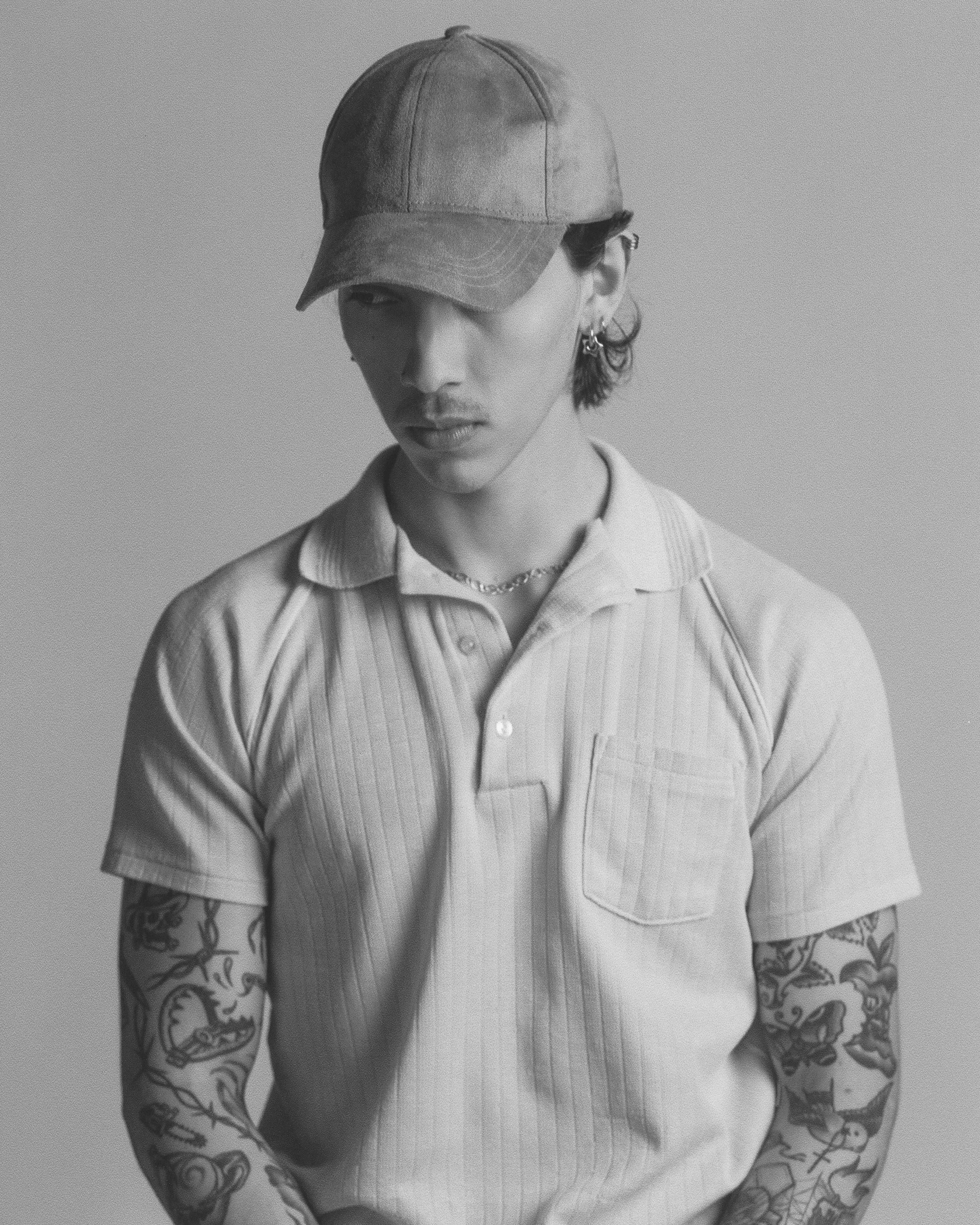
Joseph Zacarias
Photography & Media Arts and Communication & Public Relations
I am a conceptual artist using photography as a tool for communication, reflection, and process-driven inquiry. My work is highly researched and informed by history, philosophy, and lived experience, approached through a critical and independent visual language. I began using photography as a functional tool within fashion and design work, which continues to shape my attention to detail, stylization, and control of image construction. I work across digital and film processes, using each intentionally within my practice.
Exposure Therapy is my first personal body of work and functions as a self-portrait series that uses photography to publicly engage with an unorthodox upbringing shaped by instability, fear, and survival. Rather than documenting events directly, the project treats memory as material. Lived experiences are thematically categorized into reconstructed scenes—Motherly Love, Isolation, Salvation, and Violence—allowing memory to be revisited outside of linear time. These images often resemble cinematic fragments, reflecting how memory is recalled and processed.
Process is central to the work. Image making becomes a reflective and therapeutic act, emphasizing presence, repetition, and vulnerability over resolution. Through self-portraiture, I use the camera to engage with embodied experience and personal agency, pushing against the limits of photography as a tool for emotional representation. The work prioritizes balance between concept and physical image, positioning photography as a space for reflection, communication, and meaning-making rather than closure.
7
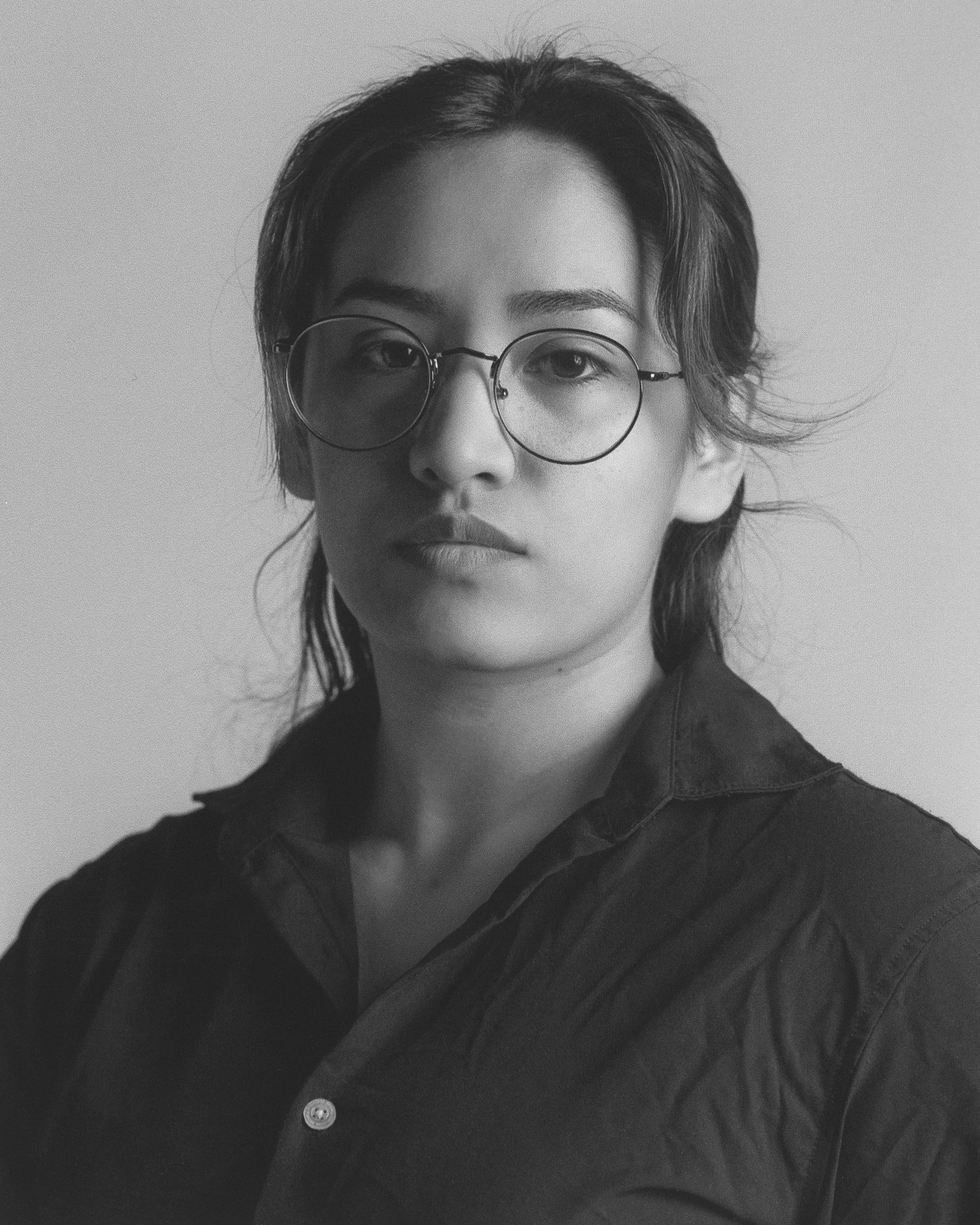
Jesusita Aldrete
Photography & Media Arts
I am a photographer drawn to still life because of its ability to slow time down and make ordinary objects feel meaningful. My work focuses on still l still life, and vanitas, where symbolism and careful observation allow everyday materials to carry emotional and narrative weight. I’m especially interested in overlooked items, and how they can take on new presence when arranged intentionally and lit with care. Through this process subtle imperfections become important visual elements that suggest memory, passage of time, and human connection.
Much of my work is created in the studio and is inspired by 16th–17th century still life painting traditions, particularly Dutch still lifes. I am drawn to their use of symbolism, controlled composition, and dramatic light to create quiet but layered images. Rather than simply recreating these historical approaches, I use photography to reinterpret their visual language, translating painterly qualities like shadow and atmosphere into staged photographic scenes.
Research into still life history has helped me understand the genre as more than decorative imagery, but as a space for personal expression. Botanical elements play an important role in my work because they introduce a sense of life’s fragility and change. I explore themes of growth and decay through the depiction of natural elements, such as flowers and branches. Additionally, the incorporation of vanitas symbols allows for a deeper examination of these concepts. By combining natural elements with found objects, I aim to create images that feel quiet but emotionally layered. Across this project, I return to the idea of stillness as a way of holding meaning. I see stillness not as emptiness, but as a space where memory and symbolism quietly collect. Through my photographs, I hope to encourage viewers to slow down, observe closely, and consider how even the simplest objects can carry deeper stories about time, presence, and human experience.
8
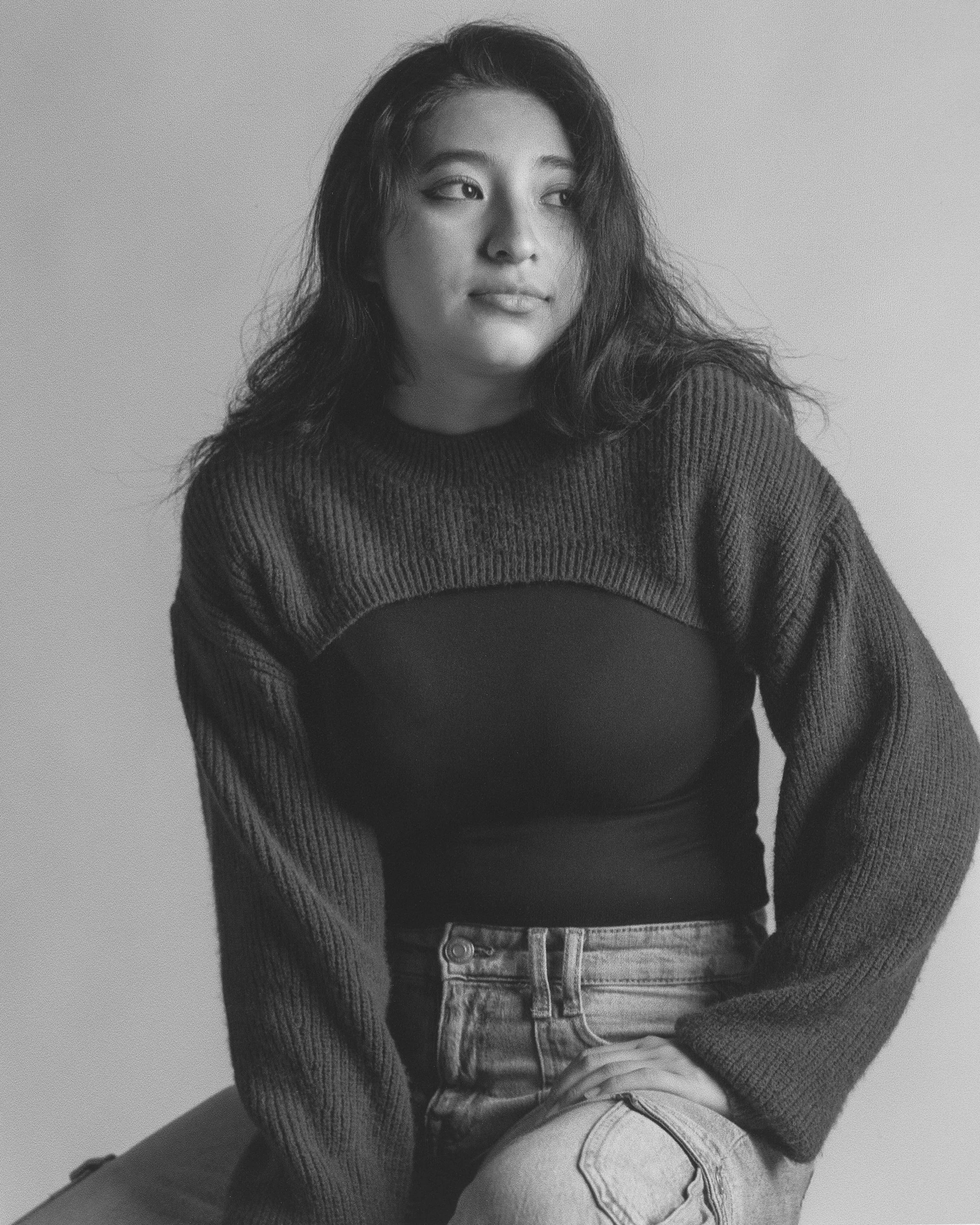
Daniela Hernandez
Photography & Media Arts
website
My work is deeply rooted in my personal perspective. I am drawn to subjects that either stand out to me instinctively or that I feel deserve greater attention. I photograph these moments and assemble them into layered, intentionally chaotic collages. This compositional approach invites viewers to slow down and engage more deeply with the imagery, encouraging sustained observation rather than a fleeting glance.
I believe photographs are meant to be admired and appreciated. By presenting my images within dense, detailed collages, I create visual environments where there is always more to discover. Rather than emphasizing negative space or a single focal point, my work deliberately resists a central hierarchy. The absence of one dominant subject allows the viewer’s eye to move freely across the composition, mirroring the way I naturally experience the world.
As an artist with autism and ADHD, my practice is deeply connected to how I perceive and process visual information. Through my photography, I aim to share that perspective—offering others the opportunity to see, explore, and interpret details in a way that reflects my own way of noticing and appreciating the world. Ultimately, my goal is for viewers to spend time with my work, to look closely and thoughtfully, and to discover new layers within each piece.
9
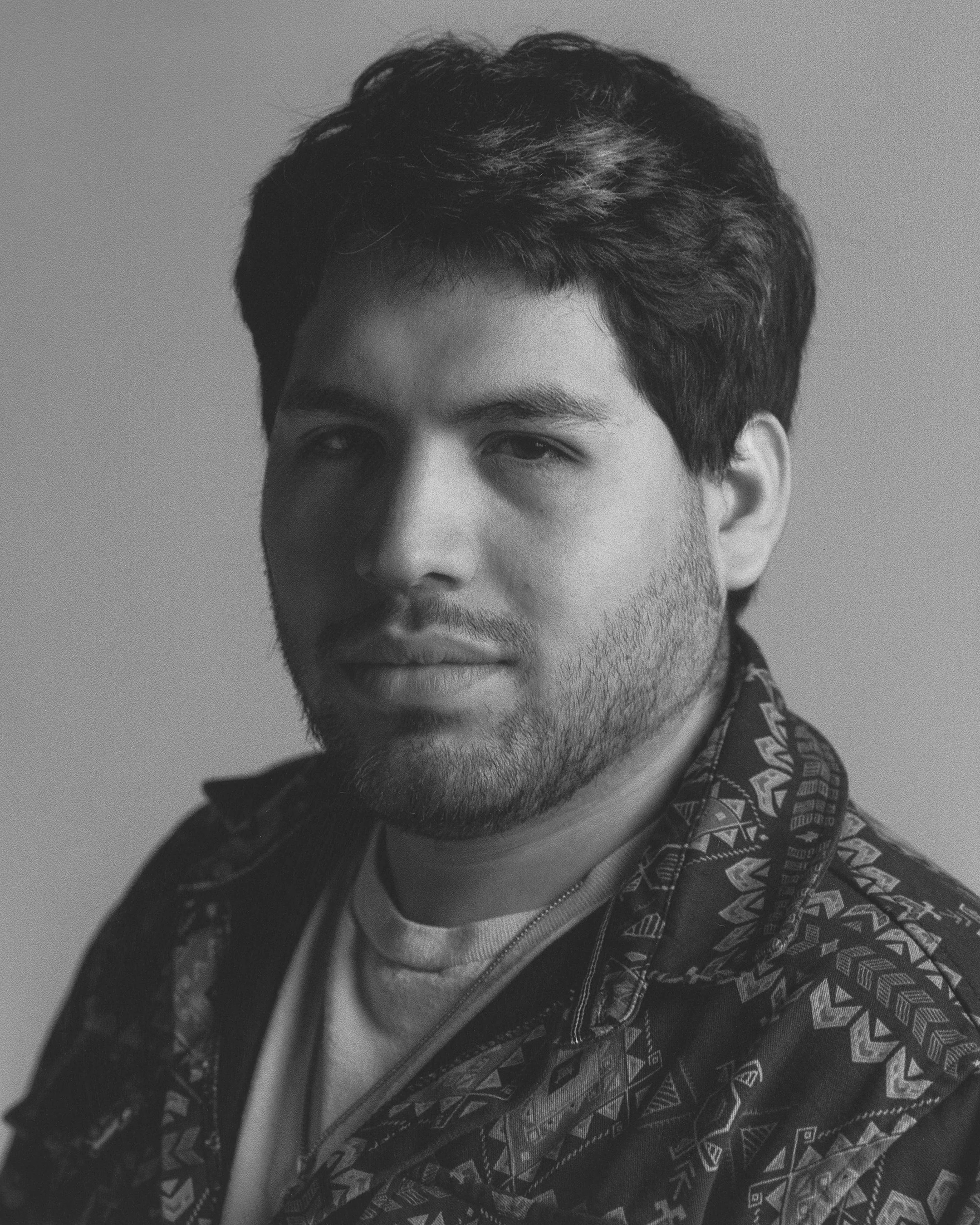
Jose De Luna
Photography & Media Arts
Jose De Luna is a queer Latino photographer based in Austin, Texas, and the founder of Fromoon Productions. Working primarily in portrait and documentary photography, his practice centers on amplifying marginalized communities and telling stories that are often overlooked. Drawing from his own lived experience as someone who belongs to two underrepresented groups, Jose approaches his work with empathy, intention, and a deep commitment to authenticity.
Through his lens, he aims to highlight individuality, resilience, and cultural identity, creating images that honor both personal narratives and collective histories. While much of his work reflects his passion for uplifting marginalized voices, Jose is proud and grateful to collaborate with individuals and communities from all backgrounds, believing that every story deserves to be seen and valued.
Currently a Photography and Media Arts major at St. Edward’s University, Jose continues to refine his artistic voice while expanding his professional experience. He is actively seeking freelance photography opportunities that allow him to document meaningful stories, build community connections, and create impactful visual work.
10
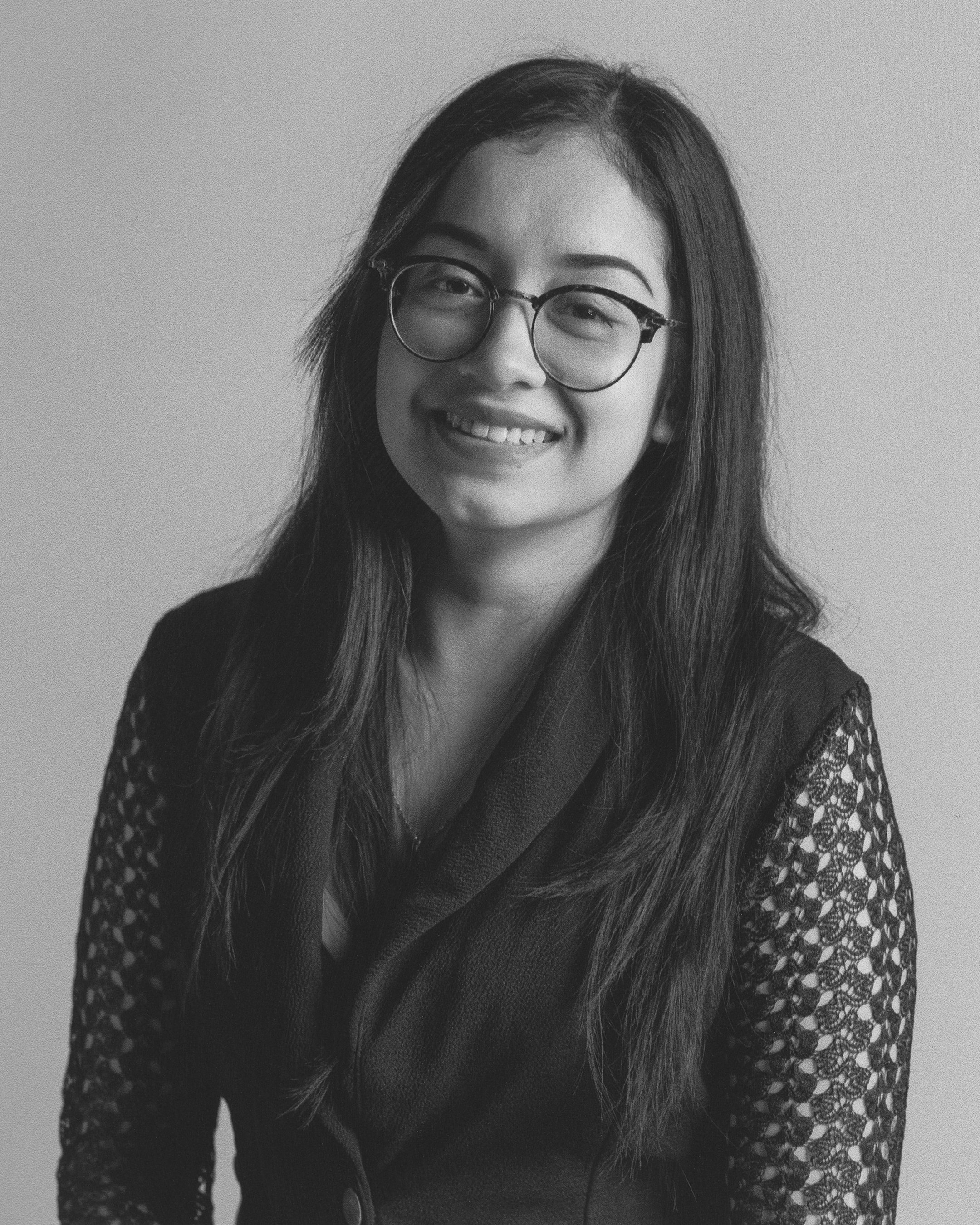
11
Karen Trujillo
Photography & Media Arts
I am a photographer driven by a passion for transforming overlooked subjects into meaningful visual narratives. My work focuses on people and the environments they inhabit, as well as landscapes that draw my attention through color, texture, and subtle relationships often missed at first glance. I am interested in how elements—such as light, color, and space—interact with one another to create harmony within a frame.
I love my work to focus on the beauty of a moment to cherish as small or big in a person’s life. Where they can look back at the photograph and remember the feeling of that exact moment in their life. To keep a moment alive and be able to look back with a photo. The connection between a feeling and moment found in one place when a picture is being taken. They can feel loved, cherished and seen.
Photographing people is especially meaningful to me, as each image preserves a moment in time and reflects an individual’s presence and aura. Through portraiture, I strive to capture the essence of each person while thoughtfully integrating their surrounding environment, allowing the setting to add depth and significance to the image. I believe that every element within a composition plays a role, and the human presence can transform a photograph into something deeply personal and expressive.
Landscape photography allows me to explore the serenity and character of different environments. Every location carries its own atmosphere, shaped by shifting light, shadows, colors, and forms. I aim to showcase the natural beauty of these spaces, often highlighting details that may go unnoticed, and presenting them from alternative perspectives that invite reflection and appreciation.
Through my work, I seek to evoke emotion, joy, and connection—reminding viewers that beauty exists not only in the extraordinary, but also in the quiet and unseen. As I often say, “Happiness cannot always be captured, but it is always felt.”